 Skip to content

How Can You Show a Dearborn Driver Was Texting After a Crash?
Preserve evidence quickly, document what witnesses saw, and have an attorney seek phone, vehicle, and video records through the legal process. The strongest claims connect the driver’s phone activity to the moment of impact with reliable, time-stamped evidence. If you got injured in Dearborn and need a car accident lawyer, get your free consultation with Jalal Abdallah.
Michigan’s hands-free law generally prohibits holding or manually using a mobile electronic device while driving. A violation can support a negligence claim, but it does not replace proof that phone use contributed to the crash. See Michigan Compiled Laws Section 257.602b.
By Jalal Abdallah, Attorney at Jalal Abdallah PLLC: early preservation matters because video, app data, and witness memories can disappear. In Dearborn, details tied to Michigan Avenue, Ford Road, or the responding police report can help establish a reliable timeline.
The evidence should be considered as a whole. A phone record may show activity near the crash, while a witness, EDR data, or camera footage may help explain whether the driver was distracted at the critical moment. This approach avoids overstating what a single data point can prove.
What Should You Do First to Preserve Phone Evidence?
Start by protecting safety and documenting what can be seen without touching the other driver’s phone. Note the time, location, lane positions, and any behavior suggesting distraction. Ask witnesses for contact information and tell the responding Dearborn Police Department officer what was observed before impact.
Useful evidence may include:
- Witness accounts that the driver looked down, drifted, or failed to brake.
- Photos of vehicle damage, the roadway, and any visible phone mount or charging cable taken from a safe location.
- The State of Michigan UD-10 crash report and any officer observations.
- Nearby video from businesses, traffic cameras, or dashcams.
- The steps in what to do immediately after a car accident in Michigan for preserving key details.
Write down details while they are fresh. Include the direction of travel, traffic signal, weather, road conditions, and the names of nearby businesses that may have cameras. If a witness is willing, ask for a brief written description in their own words.
Do not seize or demand access to another person’s device. Instead, contact counsel promptly so a preservation letter can request that the phone, cloud backups, and relevant data be retained. See what to do immediately after a car accident in Michigan for additional post-crash steps.
How Can an Attorney Obtain Phone and Digital Evidence?
An attorney can send preservation notices, seek relevant carrier records, and request targeted discovery after a lawsuit begins. The goal is not unrestricted access to private information. It is a focused review of evidence that may show phone activity during the crash window.
A preservation letter may identify the phone, SIM card, cloud backups, vehicle data, and available video. Carrier records can help establish timing, but they may not show the content of app-based messages. A forensic review, when justified and authorized, can provide more context.
A targeted request should identify the collision date, approximate time, and the evidence sought. That focus helps a court balance the need for relevant information against the driver’s privacy interests. It also reduces the risk that a request will be treated as overly broad.
Michigan courts weigh relevance and privacy when deciding whether a device inspection is appropriate. A request is stronger when it is supported by witness accounts, crash-scene evidence, inconsistent testimony, or data tied closely to the collision. For help with this process, visit our Dearborn distracted driver injury lawyer page.
A lawyer can also coordinate the evidence timeline. For example, carrier activity, a nearby camera timestamp, and a vehicle’s recorded braking data may use different clocks. Comparing those sources carefully helps prevent misleading conclusions about the seconds before impact.
What Other Evidence Can Corroborate Distracted Driving?
Phone records are stronger when they match other evidence. Vehicle data, video, and witness accounts can show whether a driver failed to brake, drifted from a lane, or was looking down just before impact. Together, these sources may create a clearer reconstruction than any one record alone.
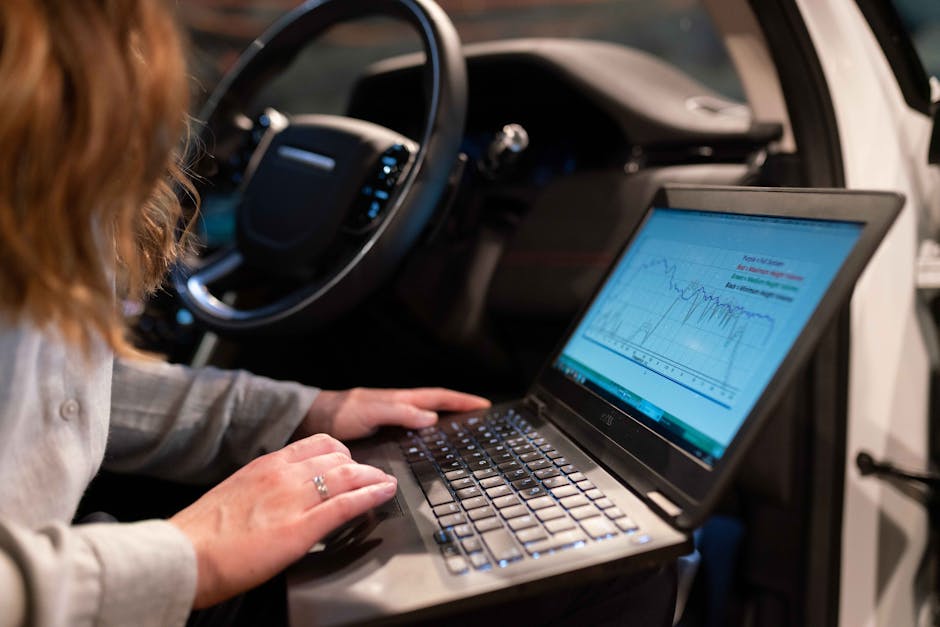
Potential corroborating evidence includes Event Data Recorder information, vehicle infotainment logs, nearby business cameras, and dashcam footage. In a Dearborn crash, footage near Michigan Avenue, Telegraph Road, or a local intersection may be overwritten quickly, so prompt requests matter.
Vehicle data can show speed, brake use, steering input, and other crash-related information when the vehicle records it. Video may show traffic conditions, lane movement, or the driver’s line of sight. A qualified review should account for gaps, camera angles, and timestamp differences.
The National Highway Traffic Safety Administration reported 3,275 people killed in distraction-affected crashes in 2023. That national statistic does not prove fault in an individual case, but it shows why careful evidence preservation matters. See NHTSA’s distracted-driving resource.
How Does Texting Evidence Affect a Michigan Injury Claim?
Evidence that a driver was texting can help establish fault and respond to claims that an injured person caused the crash. Its value depends on the full record, including medical evidence, vehicle damage, witness testimony, and the timing of the phone activity.
Michigan’s No-Fault law has specific rules for third-party claims involving pain and suffering. Review Michigan Compiled Laws Section 500.3135 for the governing statutory language.
A clear timeline can also help during settlement discussions. Keep records of treatment, lost work, and crash-related expenses, and ask counsel how the evidence applies to the facts of the case. Related guidance is available in our article on suing the at-fault driver after a crash.
Texting evidence does not guarantee a particular outcome. Michigan claims turn on the specific facts, available insurance coverage, injury evidence, and legal standards. Preserving information early gives the legal team a better basis for evaluating the claim and advising on the next step.
What Are Common Questions About Texting and Dearborn Crashes?
Is It Legal to Look Through the Other Driver’s Phone?
No. Do not take, search, or demand access to another person’s device. Record observations, identify witnesses, and ask an attorney to pursue preservation and discovery through the proper legal process.
Can deleted messages still matter?
They can. Deletion does not automatically end the inquiry. Depending on the facts and legal process, other sources such as cloud data, carrier records, witness testimony, and vehicle evidence may still be relevant.
How quickly should phone evidence be preserved?
As soon as possible. Video systems may overwrite footage, witnesses may forget details, and data sources may have retention limits. Prompt legal advice can help identify evidence that should be preserved.
Will phone records alone prove the case?
Not always. A record may show activity, but the surrounding evidence matters. Witness accounts, police observations, crash data, and video can help determine whether the phone use is connected to the collision.
How Can You Contact Jalal Abdallah After a Dearborn Crash?
If a distracted driver may have caused your crash, timely evidence preservation can make a meaningful difference. Contact Jalal Abdallah PLLC for a confidential case evaluation and guidance on the next steps.
Bring any photos, the crash report number, witness information, medical records, and insurance correspondence that are already available. The firm can review the facts, identify time-sensitive evidence, and explain the options for moving forward. A prompt review can help preserve information before it is lost.
Share This Article
Schedule Your Free Consultation Today!
Reach out today and receive a consultation, completely free of charge - we'll evaluate your case and let you know what comes next.


