 Skip to content
Understanding Michigan Product Liability and Vehicle Defect Claims
Product liability law is designed to hold manufacturers, distributors, and retailers accountable when a consumer is harmed by a dangerous product. In Michigan, these claims are governed by specific statutory framework under civil law. Whether you are dealing with a dangerous workplace machine, a defective household appliance, or a severe motor vehicle crash caused by component failure, understanding how Michigan law handles these claims is essential.
In Dearborn and across Wayne County, vehicle defects are a major driver of complex product liability litigation. While an ordinary auto accident involves proving another driver’s negligence, a product liability case focuses on the product itself. Did the seat belt fail to lock during an impact? Did an airbag fail to deploy—or worse, deploy violently when it should not have? Michigan law even contains specific criminal and civil standards regarding defective auto safety systems, including statutory prohibitions against selling nonfunctional or counterfeit airbags.
When we look at cases involving personal injuries in the Dearborn area, product liability often overlaps with other premises or personal injury situations. For instance, just as a property owner has a duty to maintain a safe environment as explained in our guide on a Dearborn Premises Liability Lawsuit, product manufacturers have a strict duty to design, build, and market products that will not cause unreasonable harm to the public.
Automotive and Autonomous Technology Risks
As vehicle technology evolves, the nature of product liability claims in Michigan is changing rapidly. Dearborn is at the absolute epicenter of automotive innovation, which means our roads are often the testing grounds for advanced driver-assistance systems (ADAS) and fully autonomous vehicle technology.
When an autonomous or semi-autonomous vehicle causes a crash, determining who is at fault requires deep technical investigation. Potential defect areas include:
- Software glitches: Algorithmic errors that cause false braking, sudden acceleration, or failure to detect pedestrians.
- Sensor and camera failures: Hardware defects where LiDAR, radar, or optical cameras fail in bad weather or dim lighting.
- System handover failures: Vehicles failing to adequately warn human drivers when automated systems disengage.
- Original Equipment Manufacturer (OEM) liability: Disputes over whether component parts from sub-suppliers caused the system malfunction.
When technology fails, manufacturers often try to point the finger back at the driver. Having a knowledgeable legal team ensures that digital telemetry, black box data, and software logs are preserved immediately before evidence can be overwritten or erased.
Critical Defect Categories: Design, Manufacturing, and Failure to Warn
Under Michigan product liability statutes, claims generally fall into three distinct legal categories:
- Design Defects: The product’s overall design is inherently dangerous, even if it was manufactured perfectly according to specifications. To win a design defect claim in Michigan, a plaintiff must typically demonstrate that a reasonable alternative design was available and practical at the time of manufacture.
- Manufacturing Defects: The product’s design was fine, but something went wrong during the assembly or production process, causing that specific unit to be dangerously flawed. Examples include a seat belt latch built with flawed metal stamping or an improperly sealed fuel line.
- Failure to Warn (Marketing Defects): The product had inherent risks that could not be eliminated by design, but the manufacturer failed to provide clear, adequate warnings or safe operating instructions to the user.
Understanding these distinctions helps us target the exact party responsible—whether that is the global corporate designer, the regional assembly plant, or the distributor.
Why You Need a Dearborn Product Liability Attorney for Automotive and Drone Claims
When you go head-to-head with a major corporation, you are facing massive legal teams trained to deny, delay, and defend every claim. Corporate defense attorneys spend millions analyzing technical details, challenging technical witnesses, and filing procedural motions to get cases thrown out of court. To level the playing field, injured victims need strong legal advocates who know how defense teams operate and how to defeat their legal strategies.
Commercial Drones and FAA Part 107 Regulations
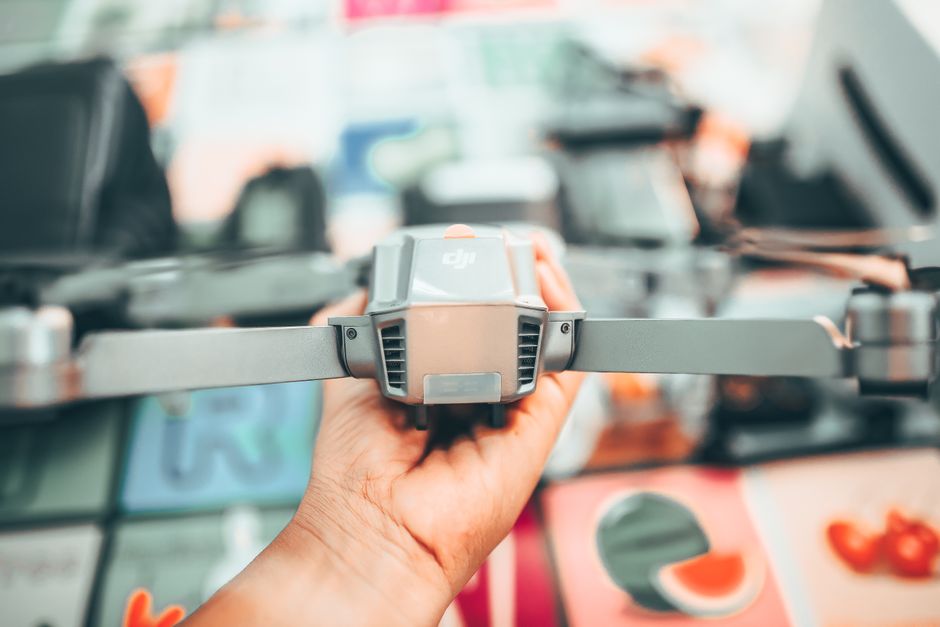
It isn’t just ground transportation where product defects cause severe injuries. The sky above Michigan is increasingly filled with commercial drones and unmanned aircraft systems (UAS). From real estate photography and package delivery to industrial inspections in Dearborn’s manufacturing facilities, commercial drone operations are booming.
However, when a commercial drone suffers a rotor failure, battery ignition, or loss of command link, a multi-pound object falling from the sky can cause catastrophic head injuries or property damage. Drone litigation crosses federal aviation rules with state tort law:
- FAA Part 107 Compliance: The Federal Aviation Administration governs commercial drone operational limits, such as flying over people, altitude ceilings, and line-of-sight rules. If a manufacturer’s flight control software glitches and overrides pilot controls, violating Part 107 standards, identifying software vs. pilot error is critical.
- Insurance and Product Exclusions: Corporate insurers often use aviation exclusions to deny coverage. Unraveling these policy disputes requires an attorney who understands both aviation mechanics and corporate insurance contract law.
What to Look For in a Dearborn Product Liability Attorney
Selecting the right legal team to represent you after a complex defect injury can make all the difference in the outcome of your case. You should look for:
- Aggressive Courtroom Experience: You need trial lawyers who are comfortable going to court against fortune 500 defense law firms, rather than taking quick, lowball settlements.
- Technical and Engineering Resources: Complex cases require top-tier engineering, accident reconstruction, and human factors consultants who can examine mechanical parts and testify convincingly.
- Multi-Jurisdictional Reach: Defective products are often distributed across state lines. Your legal team must understand state and federal court procedures across Michigan and beyond.
Overcoming Jurisdictional Challenges and Multidistrict Litigation
One of the main obstacles in modern product defect claims is figuring out where and how to bring foreign manufacturers into court. Many auto parts, electronic components, and drone hardware pieces are designed and manufactured overseas by foreign entities in foreign countries.
| Feature | Local Michigan State Court Claims | Federal Multidistrict Litigation (MDL) |
|---|---|---|
| Jurisdiction | Wayne County Circuit Court / Local District Courts | Consolidated Federal District Courts nationwide |
| Case Type | Individual injury claims occurring locally | Hundreds/thousands of similar claims joined for pre-trial proceedings |
| Speed | Moves according to local docket scheduling | Complex pre-trial discovery, coordinated test (bellwether) trials |
| Primary Focus | Specific local damages, medical bills, local liability | Common technical defects, global document production, joint technical discovery |
Steps Your Dearborn Product Liability Attorney Takes in Complex Litigation
When representing injured consumers in complex product defect litigation, we take structured, aggressive legal steps to secure full recovery:
- Immediate Evidence Preservation: We secure the physical vehicle, drone, or device before it is salvaged, repaired, or altered by insurance adjusters.
- In-Depth Technical Discovery: We demand internal corporate communications, engineering test logs, internal crash test data, and recall histories.
- Technical Witness Depositions: We hire top independent engineering consultants to examine the defective product and cross-examine defense engineers who try to minimize the danger.
- Handling Settlement Conferences and Arbitrations: Whether participating in pre-trial mediation or multidistrict settlement talks, we fight to ensure our clients receive maximum financial recovery for their medical bills, pain, and lost wages.
If you were injured in a public space or on commercial property due to hazardous conditions or defective building elements, check out our Dearborn Slip and Fall Guide to see how property and premises claims work alongside personal injury law.
Challenging Foreign Manufacturer Immunity Claims
Foreign corporations frequently claim that U.S. state courts lack “personal jurisdiction” over them, asserting that because they are based in Asia or Europe, they cannot be sued in Michigan.
However, recent legal precedents—including the landmark U.S. Supreme Court decision in Ford Motor Co. v. Montana Eighth Judicial District Court—have clarified personal jurisdiction principles. Under the concept of “purposeful availment,” if a company serves, markets, and sells its products in Michigan, state courts do have jurisdiction over injury claims arising from those products in Michigan.
When foreign manufacturers try to hide behind international borders to dodge accountability, a determined dearborn product liability attorney will challenge those jurisdictional defenses to keep the lawsuit moving forward in state or federal court. The legal principles for holding negligent corporate actors accountable mirror the strategies used when suing landlords who violate duty of care, as outlined in our guide on How to Sue a Negligent Landlord and Win.
Frequently Asked Questions About Product Liability in Dearborn

What are the primary types of product defects recognized under Michigan law?
Michigan law recognizes three main defect categories in civil product liability actions:
- Design Defects: The product’s design is fundamentally dangerous, and a reasonable, safer design choice existed.
- Manufacturing Defects: Flaws that occur during production or assembly that depart from the intended design.
- Warning Defects (Failure to Warn): Inadequate instruction or lack of warnings regarding inherent hazards during reasonable use.
How does the Ford v. Montana decision impact product defect lawsuits?
The Ford v. Montana decision established that a state court has specific personal jurisdiction over a national or global manufacturer if the company systematically markets, sells, and services its products in that state, and the plaintiff’s injury is related to those activities. This stops foreign and multi-state corporations from claiming they cannot be sued in the state where the injury actually occurred.
What legal protections apply to commercial drone accidents under FAA rules?
Commercial drone operators must comply with FAA Part 107 regulations regarding airspace clearance, visual line-of-sight, and pilot certification. If a drone causes injury due to mechanical control failure or software errors, FAA flight records and maintenance logs serve as crucial evidence to prove whether the crash resulted from operator error or a manufacturer hardware/software defect.
Demand Justice Against Negligent Manufacturers
When corporate cost-cutting or defective designs cause severe injuries to you or a loved one in Dearborn, you do not have to fight massive manufacturers alone. At Jalal Abdallah PLLC, our relentless team stands up as advocates for underdogs against powerful corporate insurers and multi-state legal teams.
We bring the tough, focused trial experience required to challenge complex engineering defenses, clear jurisdictional hurdles, and force negligent manufacturers to pay full compensation for your injuries, lost pay, and emotional trauma.
Contact us today to Schedule Your Legal Consultation and let an experienced dearborn product liability attorney review your case, protect your rights, and pursue the justice you deserve.
Share This Article

Schedule Your Free Consultation Today!
Reach out today and receive a consultation, completely free of charge - we'll evaluate your case and let you know what comes next.


