 Skip to content
Finding the Right Dearborn MI Premises Lawyer After a Property Injury
If you were hurt because of a dangerous condition at a store, apartment, parking lot, private home, or public property, a Dearborn MI premises lawyer can help you assess whether the person or business in control of the property may be responsible. Choose a lawyer who handles premises injury cases, can investigate quickly, understands Michigan’s changing rules on open and obvious hazards and comparative fault, and is prepared to deal with insurance companies or file suit when needed.
Premises liability is a type of personal injury claim. It may involve wet floors, ice, broken steps, poor lighting, unsafe parking lots, inadequate security, or an animal attack. The key issue is usually not simply whether you fell or were injured. It is whether the property owner, landlord, business, tenant, or other party controlling the site failed to take reasonable steps to address a hazard or warn visitors about it.
After an accident, get medical care, report the incident, take photos, identify witnesses, and avoid giving a recorded statement to an insurer before you understand your rights. Evidence such as surveillance video and cleaning or inspection records can disappear quickly.
I am Jalal Abdallah, a Michigan attorney and member of the Michigan Association for Justice who represents people facing powerful insurers and legal systems. As a Dearborn MI premises lawyer, I bring a trial-focused approach and insurance-industry knowledge to help injured people pursue accountability and fair compensation.
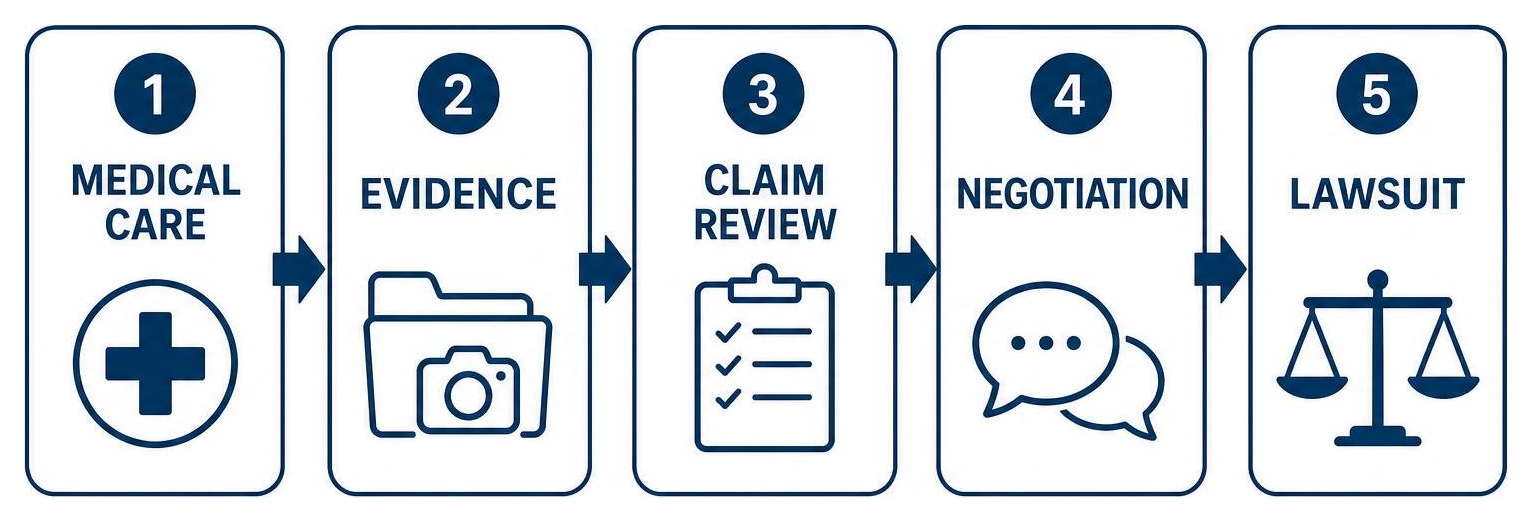
Simple guide to Dearborn MI premises lawyer:
Understanding Premises Liability Law and Property Hazards in Michigan
Premises liability is rooted in Michigan tort law. It establishes that property owners, landlords, and commercial possessors have a legal duty to maintain reasonably safe environments for those who enter their land or buildings. When an unsafe condition causes an injury, the legal duty owed to the injured individual depends significantly on their legal classification at the time of the incident.
Michigan law divides visitors into three main legal classifications:
- Invitees: Persons entering the land upon an express or implied invitation for business purposes (such as retail customers, restaurant patrons, or grocery shoppers). Property owners owe invitees the highest duty of care, requiring them to inspect the premises, actively remedy known hazards, and warn of hidden dangers.
- Licensees: Social guests entering the land with the owner’s permission for their own purposes. Owners must warn licensees of hidden dangers they know or should know about, but they generally do not have an ongoing duty to inspect the property for unknown hazards.
- Trespassers: Individuals entering the property without express or implied permission. Landowners owe no duty of care to adult trespassers other than refraining from intentional, willful, or wanton misconduct, although special rules apply to child trespassers under the attractive nuisance doctrine.
Understanding What to Know About a Dearborn Premises Liability Lawsuit begins with knowing how these classifications dictate the level of protection you receive under the law.
| Visitor Classification | Purpose of Visit | Legal Duty Owed by Property Owner |
|---|---|---|
| Invitee | Commercial or business benefit (e.g., store customer, hotel guest) | Highest duty: inspect premises, repair dangerous conditions, and warn of hidden risks |
| Licensee | Social or personal reasons with permission (e.g., houseguest, friend) | Moderate duty: warn of known, hidden dangers; no active duty to inspect |
| Trespasser | Enters land without permission or legal right | Minimal duty: refrain from willful or wanton harm (exceptions apply for children) |
Premises Liability vs General Personal Injury Claims
While premises liability is a subset of personal injury law, it carries unique legal requirements. In a general personal injury action—such as an automobile crash—the focus is on an individual’s active conduct or direct negligence behind the wheel.
In a premises liability lawsuit, liability depends directly on the possession and control of real property. The claim does not merely allege that someone acted carelessly; it asserts that a dangerous physical condition existed on the land or structure and that the entity in control failed to discover, fix, or warn about that condition. Because property and real estate matters frequently involve complex commercial titles, ownership entities, and lease agreements, determining who actually controlled the property at the moment of injury is a foundational step in premises litigation.
Common Hazard Types Across Dearborn Commercial and Residential Properties
Throughout Dearborn, Wayne County, and the broader Metro Detroit area, property hazards take many forms across retail centers, office buildings, apartment complexes, and private homes:
- Slip, Trip, and Fall Hazards: Spilled liquids in retail aisles, slick entryway flooring without safety mats, cracked sidewalks, and uneven floor transitions. Review our Dearborn Slip and Fall Guide: Getting the Compensation You Deserve for a detailed breakdown of these claims.
- Winter Weather and Black Ice: Accumulated snow, untreated ice patches, or leaking gutters that cause refreezing on walkways. A Dearborn MI Icy Sidewalk Lawyer: Getting You Compensation When Winter Strikes assists victims when property managers fail to remove dangerous winter conditions within a reasonable timeframe.
- Structural Defects and Broken Stairs: Missing handrails, deteriorating concrete, broken stairs, or rotten porch floorboards.
- Inadequate Lighting: Dark parking decks, stairwells, and alleys that conceal tripping hazards or encourage criminal activity.
- Negligent Security: Lack of functioning security cameras, broken door locks, or absent security staff in areas known for criminal activity.
- Dog Bites and Animal Attacks: Uncontrolled domestic animals on private or commercial properties.
Legal Standards for Proving Fault: Negligence, Open Hazards, and Comparative Fault
To succeed in a premises liability claim, the plaintiff must establish the four core elements of negligence:
- Duty: The defendant owed a legal duty to the plaintiff based on visitor status and control of the property.
- Breach: The defendant failed to uphold that duty by failing to maintain the property or warn of dangers.
- Causation: The breach of duty directly and proximately caused the plaintiff’s injuries.
- Damages: The plaintiff suffered actual physical, emotional, or financial harm.
Successfully Navigating Property Claims with a Premises Liability Injury Lawyer ensures that each of these critical legal standards is supported by solid evidence.
Michigan Comparative Fault and Evolving Open and Obvious Rules
Michigan applies a system of modified comparative fault (MCL 600.2959). Under this framework:
- An injured party’s financial recovery is reduced in direct proportion to their percentage of fault.
- If the plaintiff is found to be 51% or more at fault, they cannot recover non-economic damages (pain and suffering), although they may still recover a reduced percentage of economic damages.
For years, the “open and obvious doctrine” was used by insurance companies to dismiss premises cases before trial. If a hazard was visible, courts ruled the property owner owed no duty to warn or protect.
However, under recent Michigan Supreme Court precedent (Kandil-Elsayed v F & E Oil, Inc and Pinsky v Kroger Co of Mich), whether a hazard is “open and obvious” is no longer a complete bar to the property owner’s duty. Instead, the openness of a hazard is considered as part of the overall comparative fault analysis for the jury. This shift allows injured individuals to hold negligent property owners accountable even if the hazard was visible, provided the owner still failed to exercise reasonable care.
Notice Requirements and Landlord Maintenance Responsibilities
A key element in commercial and residential claims is proving notice. A plaintiff must prove the property owner had:
- Actual Notice: The owner or staff knew about the hazard (e.g., an employee saw a spill or received a complaint).
- Constructive Notice: The hazard existed long enough that a reasonable inspection would have uncovered it.
For rental properties, landlords must keep common areas safe and fit for their intended use under MCL 554.139. Knowing How to Sue a Negligent Landlord and Win requires examining municipal inspection records and lease terms. In commercial contexts, lease agreements often divide duties between landlords and tenants. When a dangerous condition arises, reviewing these contractual obligations clarifies who is legally responsible.
Why You Need a Dearborn MI Premises Lawyer After a Serious Property Injury
Insurance companies move fast to minimize their payouts. They frequently send claims adjusters to request recorded statements, mischaracterize comparative fault, or argue that your injuries were pre-existing.
Having dedicated legal representation levels the playing field. At Jalal Abdallah PLLC, we stand up for everyday people against large corporate insurers and property holding entities. We take the time to evaluate every detail of your case, helping you understand Slip and Fall Claims in Dearborn: Legal Options 101 and preparing every claim as if it will be presented to a jury in Wayne County Circuit Court.
How a Dearborn MI Premises Lawyer Proves Owner Negligence
Proving negligence requires an immediate and structured factual investigation:
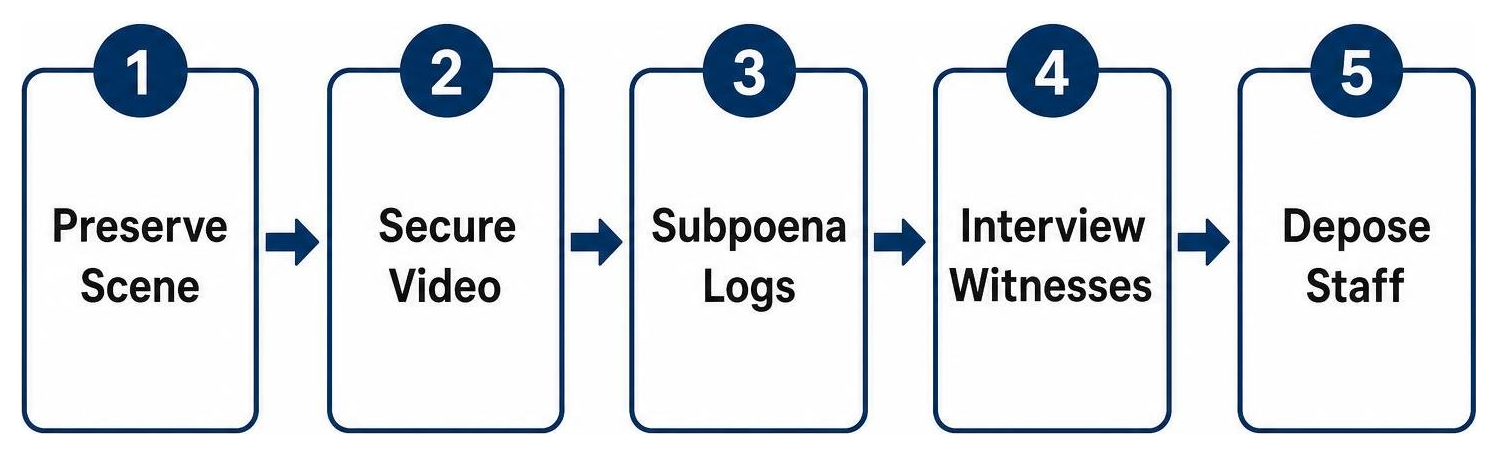
- Preserving Physical Evidence: Sending formal spoliation letters to stop the destruction of key records.
- Securing Surveillance Footage: Obtaining commercial CCTV, doorbell camera video, or parking lot recordings before they are overwritten.
- Reviewing Maintenance Logs and Sweep Sheets: Auditing store inspection logs to demonstrate constructive notice.
- Interviewing Witnesses: Taking statements from employees, other shoppers, or neighbors.
- Examining Building Codes and Regulations: Reviewing Dearborn city ordinances, ADA compliance standards, and Michigan building codes.
When Finding a Top Premises Liability Lawyer in Dearborn MI, you need a legal team that takes these proactive steps immediately.
Calculating Maximum Economic and Non-Economic Injury Compensation
Premises injuries can cause significant financial and emotional strain. Compensation in Michigan claims covers two primary categories:
- Economic Damages (Tangible Financial Losses):
- Past and future medical bills, surgical costs, and physical therapy.
- Lost wages and lost earning capacity if you cannot return to your prior job.
- Out-of-pocket costs for medical equipment, prescription medications, and home modifications.
- Non-Economic Damages (Quality of Life Losses):
- Physical pain, suffering, and physical impairment.
- Emotional distress, anxiety, and sleep disturbances.
- Loss of enjoyment of life and disruption of daily activities.
Critical Actions and Filing Deadlines for Michigan Property Claims
The steps you take immediately following a property injury can make or break your claim. Understanding the Steps to Take When Property Negligence Leads to a Serious Fall in Michigan helps ensure your rights remain protected:
- Obtain Immediate Medical Attention: Document your injuries through emergency rooms or your primary physician.
- Report the Incident: Notify the property owner, manager, or landlord in writing. Request a copy of the written incident report.
- Photograph the Scene: Take clear photos of the hazard, surrounding lighting, missing warning signs, and your visible injuries.
- Preserve Your Footwear and Clothing: Store the shoes and clothing worn during the fall in an unwashed condition.
- Gather Witness Contact Information: Collect names and phone numbers of anyone who witnessed the incident or the hazardous condition.
- Avoid Recorded Statements: Do not provide statements to the property owner’s insurance adjuster without consulting an attorney.
Crucial Qualities to Seek in a Dearborn MI Premises Lawyer
Selecting the right attorney makes a critical difference in your case. Key qualities to look for include:
- Relentless Advocacy: A firm with a track record of standing up for underdogs against large insurance corporations.
- Direct Trial Readiness: Insurers offer fair settlements when they know your attorney is fully prepared to take your case to trial.
- Clear Contingency Fee Structure: You should pay no upfront fees unless your legal team wins your case.
- Multilingual Support: Dearborn’s diverse population benefits from firms offering multilingual services, including Arabic and Spanish, ensuring clear communication.
- Local Court Knowledge: Practical familiarity with Wayne County courts, local judges, and regional municipal procedures.
To explore legal resources, you can review directories like the Justia Dearborn Lawyers Directory when researching legal procedures. For a complete overview of what to consider, review The Ultimate Guide to Choosing a Slip and Fall Accident Lawyer.
Statutory Deadlines and Special Rules for Government Property
Under Michigan law (MCL 600.5805), the general statute of limitations for personal injury and premises liability claims is three years from the date of the injury. If you fail to file a lawsuit within this window, your claim will be permanently barred.
However, strict exceptions apply if your injury occurred on government-owned property (such as a public sidewalk, government building, or municipal parking lot):
- Under governmental immunity laws, you must file a formal notice of claim with the municipal or state agency within 120 days of the incident (and sometimes as short as 60 days for certain public highway defects).
- The notice must contain specific details, including the exact location, the nature of the defect, the injuries sustained, and known witnesses.
Missing these short government notice deadlines will forfeit your right to pursue compensation. Don’t Let a Slip Up Cost You and Hire a Dearborn Premises Liability Injury Claim Attorney Today to ensure all statutory deadlines are properly met.
Frequently Asked Questions About Dearborn Premises Injury Claims
What is the statute of limitations for a premises liability lawsuit in Michigan?
In Michigan, the standard statute of limitations for a premises liability lawsuit is three years from the date the injury occurred. If the claim is against a city, county, or state government entity, you must provide written notice of the claim within 120 days of the injury to preserve your right to sue.
Can I still recover compensation if I was partially at fault for my fall in Dearborn?
Yes. Under Michigan’s modified comparative fault law, you can recover damages as long as you were not 51% or more at fault. Your total financial recovery will be reduced by your percentage of fault. If you are 50% or less at fault, you can recover both economic damages (medical bills, lost wages) and non-economic damages (pain and suffering).
What should I do immediately after an injury on someone else’s property?
Seek medical treatment right away, report the injury to the property owner or manager, take photographs of the hazardous condition that caused your fall, collect contact details from any witnesses, and preserve the footwear and clothing you were wearing. Contact a lawyer before providing statements to any insurance adjusters. Scheduling a Dearborn Slip Lawyer Consultation: Your First Step to Compensation will help you protect your claim from the start.
Stand Up for Your Rights with Jalal Abdallah PLLC
When a property owner’s carelessness turns your life upside down, you should not have to carry the financial and physical burden alone. At Jalal Abdallah PLLC, our mission is to provide fearless, relentless advocacy for underdogs facing powerful insurance companies and negligent property possessors across Dearborn, Detroit, Southfield, and Warren.
We know how insurance defense teams build their cases, and we work tirelessly to investigate hazards, establish liability, and pursue the full compensation you deserve. If you or a loved one has suffered an injury due to unsafe property conditions, connect with Dearborn’s best slip and fall lawyers today to discuss your case and take your first step toward recovery.
Share This Article

Schedule Your Free Consultation Today!
Reach out today and receive a consultation, completely free of charge - we'll evaluate your case and let you know what comes next.


